
Right Seat Aviation
← Aerodynamics

Ground effect

What ground effect is

Definition

Within about one wingspan of the ground, the surface gets in the way of the air the wing throws downward. The wingtip vortices can't fully form and the downwash behind the wing is reduced, so induced drag — the drag that comes with making lift — drops sharply. The wing is briefly more efficient. The effect is small a full wingspan up and grows quickly as you descend, roughly halving the induced drag very close to the ground. Because induced drag is a big part of total drag at low speed, you feel it most in the landing flare and just after liftoff.

Explanation

Ground effect is a reduction in induced drag, not a magic gain in lift. The closer the wing is to the ground, the more the vortices and downwash are suppressed and the less induced drag you have.
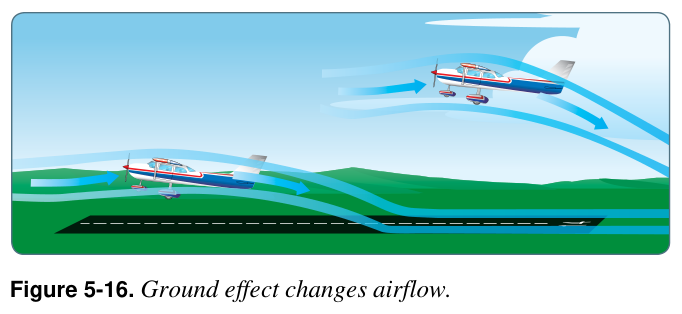
Figure 5-16. Ground effect changes airflow.
Figure 5-16 · FAA-H-8083-25C, Pilot's Handbook of Aeronautical Knowledge (p. 108)

Why it matters

It changes both ends of every flight: the float in the flare and the careful climb-out just after takeoff. Knowing it's reduced drag — not extra lift — keeps you from expecting performance that isn't there.
From the Right Seat

I have students notice the flare float on every landing and connect it to ground effect — it makes the 'don't force it down, fly it on at the right speed' lesson click.

A DPE might ask

  • What is ground effect, and about how close to the ground does it act?
  • Does ground effect add lift or reduce drag?
Float and premature liftoff

Definition

The same drag reduction shows up two ways. On landing, the airplane floats — if you carry extra speed it will drift down the runway before it's ready to touch down, so fly the right approach speed and don't force it on. On takeoff, the airplane can lift off while still in ground effect before it has the speed to climb out of it. If you pull the nose up to climb too soon, you leave ground effect, the drag comes back, and the airplane can settle or mush. Soft-field takeoffs use ground effect on purpose: lift off early, stay low to accelerate, then climb once you have a safe speed.

Explanation

The trap on takeoff is treating ground effect as climb performance. It isn't — it's borrowed drag reduction that ends the moment you climb out of it. Reach a safe climb speed in ground effect first, then climb away.

Why it matters

Forcing a floating airplane onto the runway causes bounced, hard landings; climbing out of ground effect too slow lets the airplane settle back toward the ground — both are ground-effect accidents that airspeed discipline prevents.
Common error

A common mistake is thinking ground effect gives you extra lift to climb on. It doesn't — it's reduced induced drag near the surface. Try to climb out of it before you have climb speed and the drag returns, and the airplane can sink back down.

Ground effect improves performance near the ground mainly by...

Safety

On a soft or short field, level off in ground effect after liftoff and let the airplane accelerate to a safe climb speed before you climb — pulling up too early can settle you back onto the ground.

A DPE might ask

  • Why does an airplane float in the flare?
  • What is the danger of climbing out of ground effect too slowly on takeoff?
© 2026 Northeast Florida Pilot Services LLC