
Right Seat Aviation
← Aerodynamics

Stability

Static vs. dynamic stability

Definition

Stability is the airplane's built-in tendency to return to steady flight after a bump, and it comes in two parts. Static stability is the initial response the instant it's disturbed: positive means it starts back toward where it was, neutral means it just stays in the new attitude, negative means it keeps diverging. Dynamic stability is what happens over time: with positive dynamic stability the airplane oscillates, but each swing is smaller than the last, so it damps out and settles back to level.

Explanation

Static and dynamic are separate. An airplane can be statically stable (it starts back) yet dynamically neutral or unstable (the oscillations don't die out, or even grow). Training airplanes are designed to be statically stable and to damp their oscillations, so they fly hands-off and recover from turbulence on their own.
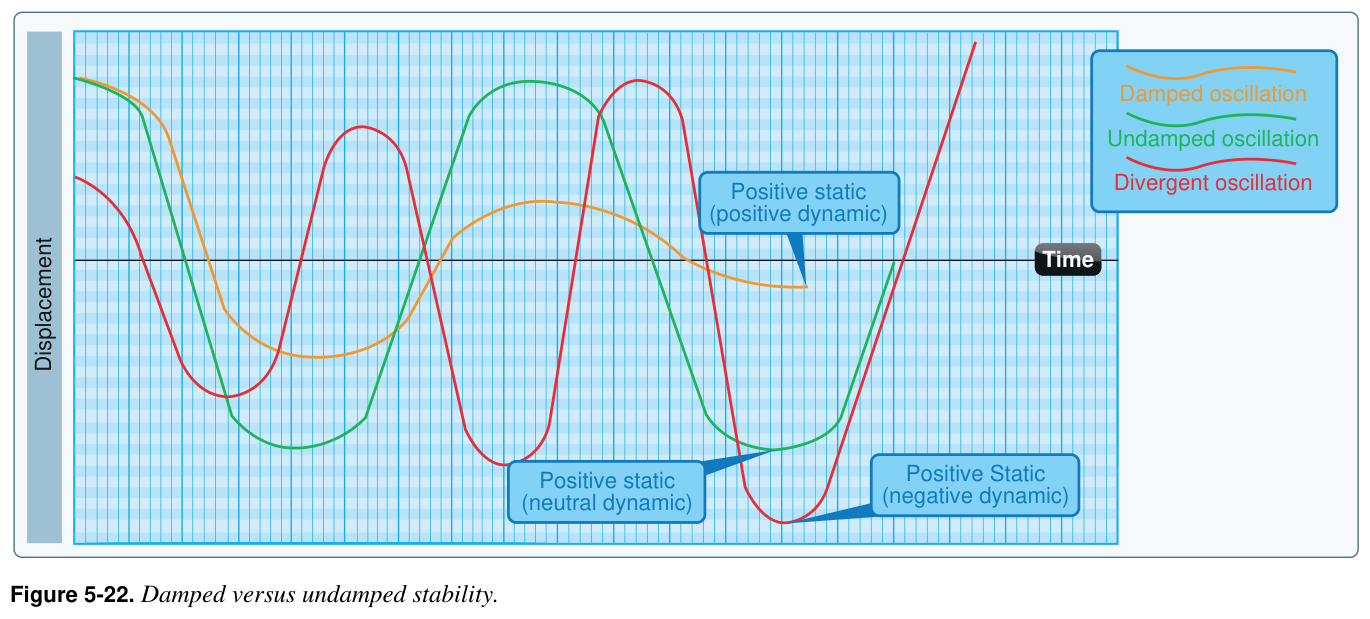
Figure 5-22. Damped versus undamped stability.
Figure 5-22 · FAA-H-8083-25C, Pilot's Handbook of Aeronautical Knowledge (p. 112)

Why it matters

Positive stability is what lets you take a hand off the yoke to fold a chart, and what brings the airplane back toward level when turbulence knocks it around. It's a safety feature designed into the airframe.
From the Right Seat

I have students trim carefully, then let go and just watch — feeling the airplane return to level on its own builds trust in the trim and in the airframe's stability.

A DPE might ask

  • What's the difference between static and dynamic stability?
  • What does positive dynamic stability look like after a disturbance?
Longitudinal stability & CG

Definition

The pitch axis — longitudinal stability — is the one we care about most, and it's governed by the center of gravity. The tail normally carries a small download that holds the nose up, and the CG and that tail force balance like a seesaw. A more forward CG makes the airplane more stable in pitch, but the controls feel heavier, the stall speed is a bit higher, and it takes more elevator to flare. A more aft CG makes it less stable and twitchier in pitch, and it degrades stall and spin recovery.

Explanation

That's why every flight starts with weight and balance: you're confirming the CG falls inside the approved envelope, not just that you're under max weight. An aft-CG loading can leave too little stability and dangerously poor stall/spin recovery even when the airplane isn't overweight.

Why it matters

Loading outside the CG limits — especially too far aft — can make the airplane unrecoverable from a stall or spin. Checking CG, not just total weight, is a required preflight habit for exactly this reason.
Common error

Some pilots think an aft CG is 'better' because it lowers the stall speed and reduces drag slightly. Those small gains aren't worth it: an aft CG cuts your stability margin and can make a stall or spin unrecoverable. Load to keep the CG comfortably inside the envelope.

Compared with a forward CG, a more aft CG makes the airplane...

Safety

Run weight AND balance every flight, not just weight. Being under gross means nothing if the CG is behind the aft limit — that's a stability and stall/spin-recovery problem, not a weight problem.

A DPE might ask

  • How does CG position affect longitudinal stability?
  • Why do we check CG location and not just total weight?
© 2026 Northeast Florida Pilot Services LLC